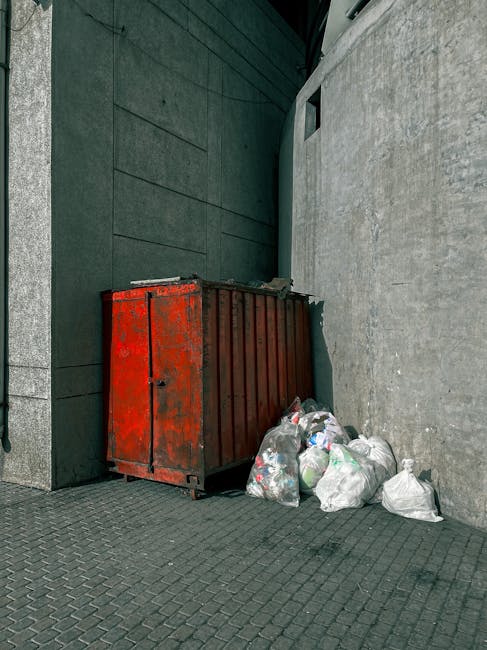
Greenwich rubbish disposal guide by neighbourhood

If you live in Greenwich, rubbish disposal can feel straightforward right up until it isn't. One street has a basement flat with no lift, another has a terrace with a narrow pavement, and somewhere nearby there's a weekly collection schedule that never seems to match the pile you have on the floor. This Greenwich rubbish disposal guide by neighbourhood is here to cut through that noise. It gives you a clear, practical way to think about waste removal in different parts of Greenwich, so you can choose the right approach without wasting time, money, or patience.
Truth be told, rubbish disposal is rarely just about "getting rid of stuff". It is about access, timing, property type, what you are throwing away, and how much disruption you can tolerate. By the end of this guide, you will know how to match the job to the neighbourhood, the property, and the type of waste involved.
Why Greenwich rubbish disposal guide by neighbourhood Matters
Greenwich is not one flat, uniform area. Different neighbourhoods bring different building layouts, different parking realities, and different waste volumes. That matters more than people expect. A ground-floor maisonette off a quiet residential road is a very different disposal job from a top-floor flat near a busy high street or a family house with a crowded side return full of old furniture, gardening waste, and the kind of "I'll deal with that later" boxes that quietly multiply in the dark.
Neighbourhood-aware rubbish disposal matters because it helps you avoid the usual friction points. Access can be tight. Parking can be awkward. Stairwells can be narrow. Bins may already be full. And if you are dealing with bulky items, a quick plan saves a lot of lifting, carrying, and sighing. A good disposal plan also helps you choose the right service level, whether that means a simple collection, a full clearance, or a more specialised removal for bulky or mixed waste.
It also matters for neighbours. In denser parts of Greenwich, one badly timed pile of rubbish can block a walkway, upset a building manager, or leave waste sitting out overnight. Nobody wants that smell drifting around by morning. Not lovely, let's face it.
Key point: the best rubbish disposal approach in Greenwich is rarely the same for every street. The more you understand your neighbourhood, the smoother the job becomes.
How Greenwich rubbish disposal guide by neighbourhood Works
A neighbourhood-based approach starts with three questions: what are you disposing of, where exactly is it coming from, and how easy is it to remove from the property? Once those are clear, the rest gets much simpler.
In practical terms, a rubbish disposal plan usually follows this pattern:
- Identify the waste type: general clutter, household rubbish, furniture, garden waste, builders waste, office items, or mixed items.
- Assess access: stairs, lifts, parking, road width, gated entries, and whether the collection vehicle can stop nearby.
- Estimate volume: a few bags, a van load, several bulky items, or a full property clearance.
- Choose the disposal method: lift-and-load collection, clearance, disposal-only support, or a more tailored waste removal service.
- Prepare items safely: separate sharp, heavy, recyclable, or reusable items where possible.
- Book for the right time: mornings are often easier in busier areas, while quieter side roads may suit flexible windows better.
Different Greenwich neighbourhoods tend to create different patterns. For example, flatter residential roads may be easier for bulkier collections, while apartment-heavy pockets often benefit from a faster, lighter-touch service that avoids long delays in communal spaces. If you are arranging a larger load, services such as rubbish removal or rubbish clearance can be a more practical fit than trying to piece the job together yourself.
And yes, there is a difference between disposal and clearance. Disposal focuses on removing waste; clearance usually implies a broader job that may include sorting, loading, and taking away mixed items from inside or outside the property. Small difference, big impact when you are trying to get the place back under control.
Key Benefits and Practical Advantages
A neighbourhood-aware approach does more than save effort. It also gives you better control over cost, speed, and disruption. That is the real win.
- Less disruption: You can plan around narrow access, neighbour traffic, and building rules instead of discovering them halfway through.
- Better value: Matching the job to the right service avoids overpaying for a solution that is too large or too slow.
- Faster clearance: When access details are clear up front, crews can work more efficiently.
- Safer handling: Heavy furniture, broken items, and mixed waste are easier to manage when sorted sensibly.
- Cleaner results: Proper disposal reduces the chance of items being left behind, split across several trips, or dumped temporarily on the pavement.
There is also a quieter benefit: peace of mind. If you know your rubbish disposal plan suits your Greenwich neighbourhood, you spend less time second-guessing whether the van can park, whether the waste will fit, or whether the job is going to turn into an all-afternoon headache.
For mixed household jobs, it can help to think of disposal in layers. Everyday clutter can often go with a standard collection, while heavier or awkward items such as wardrobes, broken appliances, or old sofas may need a more structured approach. In some cases, specialist services like furniture disposal or sofa removal are the cleaner, quicker answer.
Who This Is For and When It Makes Sense
This guide is useful for more people than you might think. It is not only for households doing a big clear-out. It also helps landlords, tenants, property managers, small businesses, and anyone staring at a pile of waste and wondering where on earth to start.
You will especially benefit from a neighbourhood-based approach if you are:
- moving out or moving in and need fast turnaround
- clearing a flat with shared access or tight stairs
- sorting a family house after renovation, gardening, or decluttering
- managing waste from an office, shop, or workspace
- dealing with bulky items that will not fit in normal bins
- trying to keep a property presentable for sale or letting
It also makes sense when timing is tight. Perhaps visitors are coming in two days. Or a tenancy handover is due. Or the garden has become a little jungle-like after a wet spell, and every bag you fill seems to sprout a second bag. That happens. More than people admit.
For larger domestic jobs, services such as home clearance and house clearance can be a better fit than ad hoc trips to the tip, especially when you are dealing with multiple rooms or a full property reset.
Step-by-Step Guidance
If you want a simple way to handle rubbish disposal in Greenwich, this is the part to follow closely. Nothing fancy. Just a practical sequence that works.
- Walk the property first. Do a quick room-by-room check or, if it is a flat, a flat-to-communal-area check. Note what is obvious, what is hidden, and what may be awkward to move.
- Group items by type. Put general rubbish together, bulky items together, garden waste together, and anything recyclable or reusable to one side.
- Check access points. Look at front doors, side passages, stairwells, lifts, and parking. If a mattress needs three turns down a narrow stairwell, you will want to know that before collection day.
- Estimate volume honestly. People almost always underestimate this. A couple of "small" piles can turn into half a van before you know it.
- Match service to waste. Standard rubbish collection is fine for many jobs, but larger or more awkward loads may suit waste removal, waste clearance, or dedicated bulky-item support.
- Set a sensible time window. Choose a slot when neighbours are less likely to be moving through the area and when parking is more manageable.
- Prepare the load. Make safe pathways, separate sharp edges, and keep fragile or reusable items apart.
- Confirm the finish. Check that all agreed items are removed and that nothing has been left in hallways, yards, or front gardens.
For outdoor waste, a separate plan often helps. Garden clippings, branches, old pots, and broken outdoor furniture behave differently from indoor clutter. A dedicated service such as garden clearance can save time and prevent mess from spreading through the house.
One small but useful habit: photograph the waste before the job starts. Not because you need to create paperwork for a museum of rubbish, but because it gives you a clear record of what is there and helps you avoid forgotten items. Handy, really.
Expert Tips for Better Results
After plenty of real-world clearances, a few patterns become obvious. The jobs that go smoothly are rarely the ones with the most brute force. They are the ones with the best preparation.
- Start with the heaviest items first. Sofas, wardrobes, broken cabinets, and boxed-up junk can set the tone for the rest of the job. Once they are out, the rest feels easier.
- Keep walkways clear. In homes with limited space, even a single box in the wrong place can slow everything down.
- Use the right disposal route for the item. Furniture, green waste, and office waste often move more efficiently when handled separately.
- Be realistic about time. A small flat clearance may take far less time than a full house, but stairs, parking, and sorting can still add up.
- Communicate access details clearly. Gated entries, loading restrictions, or awkward corners are worth mentioning early. Saves everyone a bit of grief.
There is a neat trick for busy streets and shared buildings: schedule removals slightly earlier in the day if possible. Morning collections often reduce the chance of blocked entrances, and the street tends to be calmer. Not always, but often enough to matter.
Another good habit is to separate reusable items from true waste. Old chairs, intact storage pieces, and serviceable office furniture should not automatically go in the same pile as damaged items. If you need broader help with office or business premises, office clearance and business waste support can be especially useful for keeping things organised.
Common Mistakes to Avoid
Most rubbish disposal problems in Greenwich come from a handful of predictable mistakes. The good news? They are easy to avoid once you know what to look for.
- Underestimating volume: Two bags can become ten. A chair and a table can become a full van if there are drawers, lamps, and random odds and ends hiding nearby.
- Ignoring access: If a van cannot stop near the property, the job takes longer. If the lift is out, it takes longer still.
- Mixing everything together: This makes sorting slower and can create handling problems for bulky or awkward items.
- Leaving waste until the last minute: Last-minute jobs often lead to rushed decisions and higher stress. Classic trap.
- Forgetting special items: Mattresses, sofas, builders waste, and office items may need different handling from general household rubbish.
- Not checking site rules: Some flats, estates, and managed buildings have specific expectations around loading, noise, and shared areas.
A particularly common issue in dense neighbourhoods is leaving rubbish in communal areas "just for a bit". That bit can turn into complaints fast. Better to plan a direct load-out than create an obstacle for everyone else. Nobody wants a hallway that feels like a storage room by accident.
Tools, Resources and Recommendations
You do not need special kit for every disposal job, but the right tools make things safer and calmer. A few simple items can save a lot of time and a sore back.
- Heavy-duty bags or sacks: Better for loose rubbish, garden clippings, and smaller mixed loads.
- Gloves: Useful for sharp edges, dusty items, and general handling. Basic, but essential.
- Labels or marker pens: Handy if you are separating keep, donate, recycle, and dispose piles.
- Measuring tape: Worth using for large furniture or awkward items before collection day.
- Clear floor protection: Helpful in flats and houses where items must pass through living spaces.
For a few common disposal scenarios, these services are often the best fit:
- waste collection for regular or moderate loads
- waste disposal for straightforward removal and responsible handling
- waste removal for more flexible, on-site support
- garage clearance when storage spaces have become a catch-all zone
- flat clearance for apartment-based clear-outs with tighter access
If you are in the middle of a bigger declutter, it can also help to think beyond disposal. Reusing, donating, and repurposing are worth considering before you send everything away. One old shelf may not be glamorous, but it may still have another life in a workshop or spare room.
Law, Compliance, Standards, or Best Practice
Waste handling in the UK is not something to treat casually. You do not need to become a compliance expert, but you should know the basics. At a minimum, rubbish should be handled safely, taken to appropriate facilities, and kept out of public spaces longer than necessary. If you are arranging disposal for a business, landlord property, or shared building, the duty to manage waste properly becomes even more important.
Best practice usually means:
- keeping rubbish contained until collection
- separating items where practical
- avoiding blocked communal routes
- not leaving waste in unauthorised areas
- using a service that is clear about what it removes
For households, the main practical concern is safety and convenience. For commercial or mixed-use premises, there may also be building rules, tenancy obligations, or internal procedures to follow. That is especially true if items include office equipment, mixed bulky waste, or clearance from shared premises. In those cases, a structured service is often the cleaner choice than trying to improvise.
Special items need extra care. If you are dealing with materials that could be hazardous, sharp, dusty, or contaminated, do not guess your way through it. PPE waste, for example, should be managed carefully, and mixed waste from building work needs proper handling. If you are in doubt, stop and ask before shifting it. Safer that way, plain and simple.
Options, Methods, or Comparison Table
Choosing the right disposal method is easier when you can compare the common options side by side. Different Greenwich neighbourhoods will suit different approaches, depending on access, waste type, and urgency.
| Method | Best for | Strengths | Watch-outs |
|---|---|---|---|
| Rubbish collection | General domestic loads and lighter clear-outs | Simple, fast, good for smaller jobs | May not suit bulky or heavily mixed waste |
| Rubbish removal | Mixed waste, bulky pieces, awkward items | Flexible and practical for many households | Access details matter a lot in tight streets |
| Waste clearance | Full-room, flat, or property clear-outs | Good for larger or more involved jobs | Needs a clear plan and realistic volume estimate |
| Garden clearance | Green waste, branches, outdoor clutter | Keeps outdoor waste separate and manageable | Wet green waste can become heavier than expected |
| Builders waste removal | DIY debris, offcuts, renovation leftovers | Handles rougher material more appropriately | Must be assessed carefully for weight and content |
If you are weighing up a bigger load, one helpful question is: do you want the fastest possible removal, or the most thorough reset? Those are not always the same thing. A quick collection may suit a few items, while a fuller service is better if the room itself needs resetting.
For renovation leftovers, builders waste support is often more sensible than treating everything like ordinary household rubbish. It is a small distinction, but it keeps the job organised and reduces the chance of surprises on the day.
Case Study or Real-World Example
Imagine a typical Greenwich scenario: a second-floor flat near a busy local road, with a sofa, a broken coffee table, three bags of mixed clutter, and a stack of cardboard from a recent move. On paper, it looks manageable. In real life, the stairs are narrow, the front entrance is shared, and parking is limited until later in the morning.
The best approach here is not to wing it. First, the household separates cardboard from bulky furniture and loose rubbish. Next, the access route is checked so nobody has to squeeze through the communal hallway twice. Finally, the collection is timed for a quieter window when the street is less congested. Simple, but effective.
Now compare that with a terraced house in a quieter Greenwich pocket, where the main problem is a pile of garden waste, an old garden chair, and a shed full of odd items that have been gathering dust since who-knows-when. In that case, a garden clearance combined with a small-scale home clearance may be more useful than one broad general service.
The lesson is simple: the neighbourhood changes the job. Not the need, but the shape of it. And once you accept that, everything becomes less stressful.
Practical Checklist
Use this before booking or starting any rubbish disposal job in Greenwich. It keeps things moving and helps you avoid the usual last-minute panic.
- Identify the exact waste type
- Separate bulky, sharp, recyclable, and reusable items
- Check stairs, lifts, entrances, and parking access
- Estimate the volume honestly
- Choose the right service for the job
- Confirm timing with neighbours or building rules if needed
- Keep pathways clear for safe lifting
- Remove personal documents or valuables first
- Take a quick photo of the load if helpful
- Double-check that all agreed items are included
Quick reassurance: if your rubbish feels like an awkward mix of ordinary clutter, broken furniture, and one item that looks far too annoying to move, that is normal. Most clearances are a bit like that.
Conclusion
A good Greenwich rubbish disposal guide by neighbourhood does not overcomplicate things. It helps you look at the job properly: what you have, where it is, how it needs to come out, and what will make the least mess along the way. That is the heart of it.
When you match the service to the street, the building, and the waste itself, the whole process becomes calmer and more efficient. You avoid wasted effort, reduce disruption, and give yourself a cleaner finish at the end of the day. That is especially valuable in Greenwich, where access and property layouts can vary so much from one area to the next.
If you are planning a clear-out, start with the practical details. Walk the space, estimate honestly, and choose the method that suits your neighbourhood rather than forcing the job into a one-size-fits-all plan. That little bit of care goes a long way.
Get a free quote today and see how much you can save.
And if today's the day you finally tackle the pile, good on you. Small wins count, especially when the hallway is finally clear again and the room feels like itself.
Frequently Asked Questions
What is the best rubbish disposal method for Greenwich flats?
For flats, the best method is usually the one that minimises disruption in shared spaces. That often means a collection or clearance service that can handle stairs, lifts, and tight access efficiently. Flat-based jobs also benefit from clear sorting before removal.
How do I know if I need rubbish removal or full clearance?
If you have a few bulky or mixed items, rubbish removal may be enough. If multiple rooms, a full flat, or a whole property need clearing, full clearance is usually the better fit. The deciding factor is usually volume and how much sorting is involved.
Can I dispose of furniture and household rubbish together?
Yes, in many cases you can, but it is often smoother to separate bulky furniture from loose rubbish. That makes loading faster and helps avoid damage or awkward handling. A sofa and a pile of bags do not behave the same way, after all.
What should I do with garden waste in Greenwich?
Garden waste is best kept separate from indoor rubbish where possible. Branches, leaves, soil, and old outdoor items can add weight quickly, especially if they are wet. A dedicated garden clearance is often the neatest option.
How far in advance should I book a collection?
As soon as you know the job is coming up is the safest answer. Busy streets, parking limits, and building access can all affect timing. If the job is urgent, ask about the earliest available slot rather than leaving it to chance.
Do I need to sort rubbish before collection?
Basic sorting helps a lot, but you usually do not need to overdo it. Separate obvious bulky items, green waste, valuables, and anything sharp or hazardous. That makes the job safer and easier without turning your living room into a sorting depot.
What are the most common access problems in Greenwich?
Narrow roads, limited parking, stairs, shared hallways, and time-restricted loading areas are the big ones. Some properties also have awkward side access or internal layouts that slow things down. A quick check before collection day prevents most of the drama.
Is it better to use a collection service or do it myself?
It depends on the waste and the access. For a few light bags, DIY may be fine. For bulky furniture, heavy loads, or anything from a flat with difficult access, a professional service is usually faster, safer, and less stressful. Your back may thank you too.
What happens if my waste includes mixed items?
Mixed items are common, especially in clear-outs. The main thing is to identify anything that needs special handling, such as bulky furniture, renovation debris, or sharp material. The more accurate the description up front, the smoother the removal.
How do I avoid upsetting neighbours during rubbish disposal?
Keep shared areas clear, avoid leaving waste out too early, and choose a sensible time window. If parking or loading may be tricky, plan ahead so the collection is quick. A little consideration goes a long way in a close-knit street or block.
Are there services for bigger clear-outs in Greenwich?
Yes. Larger jobs often suit home clearance, house clearance, flat clearance, garage clearance, or office clearance, depending on the space involved. Matching the service to the property type usually gives the cleanest result.
What is the biggest mistake people make with rubbish disposal?
The biggest mistake is underestimating the job. People often assume the waste is smaller, lighter, or easier to move than it really is. A quick proper assessment at the start almost always saves time later.